

































Clash of Legends: Brainstorming vs Memorize and Repeat the Shape
Which game offers the better experience? In this detailed comparison, we examine Brainstorming and Memorize and Repeat the Shape, two engaging Puzzle games designed to test concentration, observation, and problem-solving skills. Although both titles belong to the same genre, they challenge the mind in noticeably different ways. From graphics and gameplay mechanics to replay value and overall fun factor, here is everything players need to know before choosing their next mental workout.
Brainstorming

Graphics and Presentation
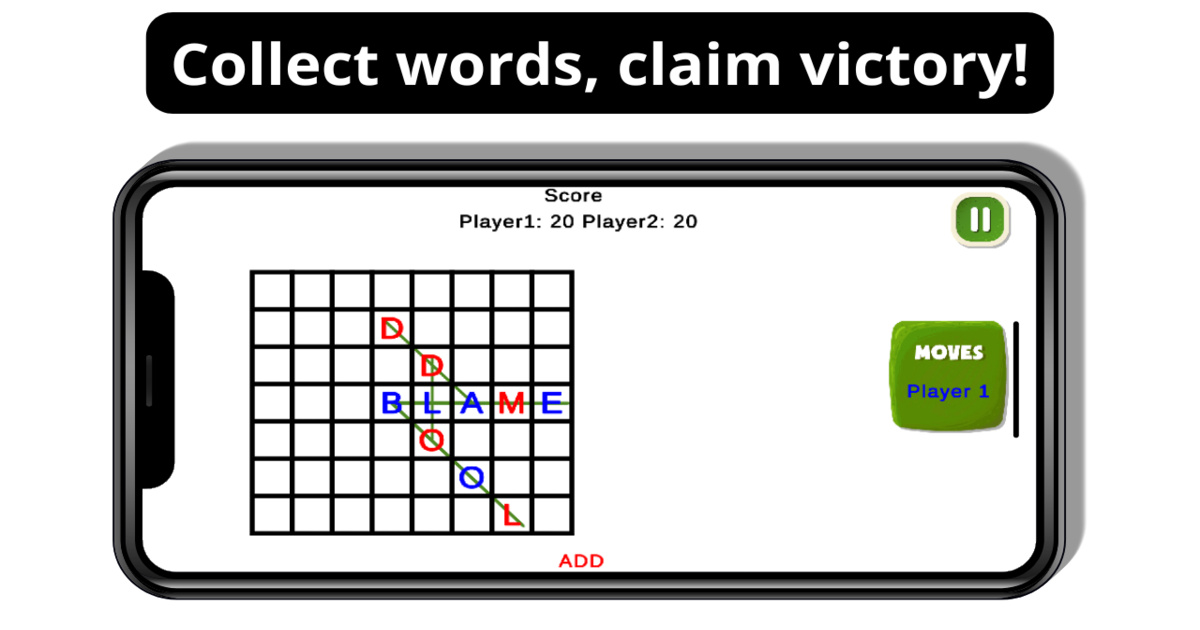
Brainstorming uses a clear, functional visual style that keeps attention firmly on its puzzles. Rather than overwhelming players with elaborate effects, the game favors readable elements, straightforward menus, and an uncluttered interface. This restrained presentation is particularly suitable for a Puzzle game, where unnecessary visual details could distract from the task at hand.
The graphics may not be technically spectacular, but they serve the gameplay effectively. Shapes, symbols, and interactive components are generally easy to distinguish, allowing players to understand each challenge quickly. The clean design also gives Brainstorming an accessible quality, making it appropriate for short casual sessions as well as longer periods of focused play.
Gameplay Mechanics
Brainstorming is built around variety and mental flexibility. Its challenges encourage players to analyze information, identify patterns, and experiment with possible solutions. Instead of relying exclusively on memory, the game often rewards logical thinking and the ability to approach a problem from a new angle.
This diversity is one of its greatest strengths. Players are less likely to feel trapped in a repetitive routine because each puzzle can demand a slightly different thought process. Some tasks may be solved immediately, while others require patience and repeated attempts. The resulting difficulty curve creates a satisfying sense of progression, especially when a previously confusing solution finally becomes clear.
Fun Factor and Replay Value
The main appeal of Brainstorming comes from discovery. Solving a difficult puzzle produces a genuine feeling of accomplishment, while the range of challenges helps maintain interest over time. Players who enjoy logic tests, brain teasers, and moments of creative problem-solving will likely find it highly entertaining.
However, the pace may feel slower for users seeking constant action. Brainstorming is at its best when approached thoughtfully, so its enjoyment depends on a willingness to stop, observe, and reason through each problem.
Memorize and Repeat the Shape

Graphics and Presentation
Memorize and Repeat the Shape adopts an equally accessible visual approach, but its presentation is more directly connected to recognition and recall. Shapes must be displayed clearly so that players can study them before attempting to reproduce the correct sequence or arrangement. Strong visual contrast and easily identifiable forms therefore play an essential role in the experience.
The minimalist graphics complement the game’s purpose. Every on-screen detail matters, and the absence of excessive decoration makes it easier to concentrate. Its immediate visual language also allows newcomers to understand the basic objective without a lengthy tutorial.
Gameplay Mechanics
As its title suggests, Memorize and Repeat the Shape focuses primarily on short-term memory. Players observe a shape, pattern, or sequence and then attempt to recreate it accurately. The concept is simple, but increasing complexity can transform a seemingly easy task into a demanding concentration test.
The mechanics create a fast and intuitive gameplay loop: observe, remember, repeat, and improve. This makes the game ideal for quick sessions, as players can begin testing themselves almost immediately. Difficulty can rise through more complicated shapes, longer sequences, or less time to study each pattern. Success depends less on experimentation than in Brainstorming and more on careful attention and precise recall.
Fun Factor and Replay Value
Memorize and Repeat the Shape delivers satisfaction through measurable improvement. Players may notice that they can retain more information or respond more accurately after several rounds. Chasing a better score adds replay value and gives the experience a light competitive quality, even when playing alone.
Its narrower mechanical focus can eventually become repetitive, particularly for players who prefer varied puzzle types. Nevertheless, the quick rounds and easy-to-understand objective make it an excellent choice for casual gaming or brief daily memory exercises.
Brainstorming vs Memorize and Repeat the Shape: Key Differences
The most important difference lies in the abilities each game tests. Brainstorming emphasizes logic, adaptability, and creative problem-solving, while Memorize and Repeat the Shape concentrates on observation and short-term recall. Brainstorming generally offers greater mechanical variety, whereas its competitor provides a more focused and immediately accessible challenge.
Both games use simple graphics effectively, but Brainstorming benefits from the visual diversity of its puzzles. Memorize and Repeat the Shape counters with a cleaner, more specialized presentation that supports fast pattern recognition.
Final Verdict: Which Puzzle Game Is Better?
Brainstorming offers the stronger all-around experience for players who want variety, thoughtful challenges, and a more substantial sense of discovery. Its changing puzzle mechanics keep the experience fresh and encourage multiple forms of reasoning.
Memorize and Repeat the Shape remains the better option for quick sessions and players specifically interested in improving memory and concentration. Ultimately, both are worthwhile Puzzle games, but Brainstorming wins this clash by providing broader gameplay and a more consistently varied fun factor.